


The Hybrid Era Is Here
Hybrids have become so prevalent that Toyota is now offering more of its models exclusively with additional electric motors. While some buyers have expressed disapproval of this strategy due to lingering reliability concerns, a mechanic YouTuber – who claims to have worked on Toyotas for many years – shared his perspective based on extensive hands-on experience.
The Car Care Nut, who has roughly 1.67 million followers on YouTube, said that modern hybrids have “simply become more reliable than non-hybrids.” Drawing from the many vehicles he has serviced, he noted that he encounters turbocharged powertrains far more often than hybrids.
Why Hybrids Still Get Side-Eye
So why do some people still deem hybrids unreliable? The most common reason is the perception that hybrids add complexity, as they incorporate more components than a traditional naturally aspirated setup. With more parts comes the assumption of a higher likelihood of failure, which can be an understandable concern – particularly for budget-conscious buyers. Perhaps the biggest worry is the hybrid battery, with replacement costs often cited in the $2,000 to $8,000 range, depending on the model.
Advertisement
Advertisement
According to the mechanic YouTuber, however, hybrids, including models like the Toyota RAV4, actually deliver what he describes as “negative maintenance.” A hybrid powertrain eliminates the need for a conventional starter and alternator altogether. In addition, braking components tend to last significantly longer thanks to regenerative braking, which converts kinetic energy during deceleration into electrical energy that recharges the battery. He also explained that modern hybrid systems have become more compact, improving accessibility for technicians and, as a result, helping reduce labor costs.
The Car Care Nut on YouTube (The Car Care Nut on YouTube)
Lessons From the Shop Floor
If anything, he tends to work more on Toyota models equipped with turbocharged engines and 8-speed automatic transmissions, a combo found in models like the Highlander. When a hybrid does come into his shop, it is typically due to collision damage rather than factory-related powertrain design issues.
“Toyota is on the right track by moving everything to hybrid,” The Car Care Nut said.
There are plenty of reasons to give weight to the mechanic YouTuber’s assessment, especially considering that Toyota has roughly a quarter-century of hybrid refinement under its belt since the Prius debuted in the U.S. in 2000. The data supports this view as well, with Consumer Reports indicating that hybrids experienced about 15 percent fewer problems than pure internal combustion vehicles last year – though that reliability advantage can’t yet be vouched for plug-in hybrids.
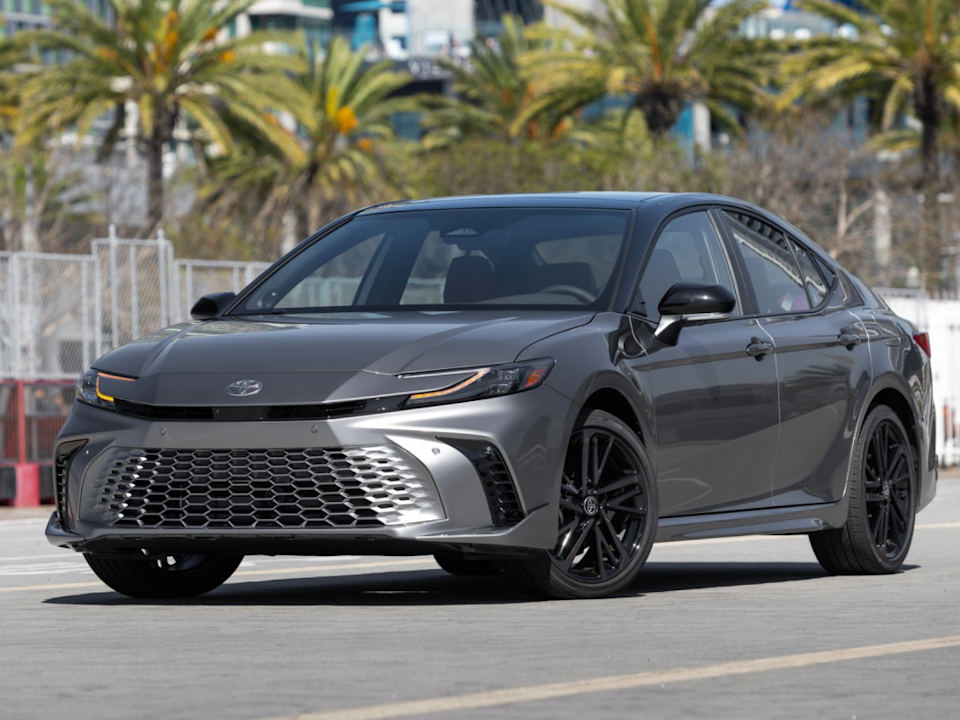
Toyota
View the 3 images of this gallery on the original article
Advertisement
Advertisement
This story was originally published by Autoblog on Jan 24, 2026, where it first appeared in the News section. Add Autoblog as a Preferred Source by clicking here.
Advertisement
Advertisement