
Lawmakers in California at both the state and federal levels are warning that refinery closures could push prices higher while leaving the state more dependent on foreign oil.
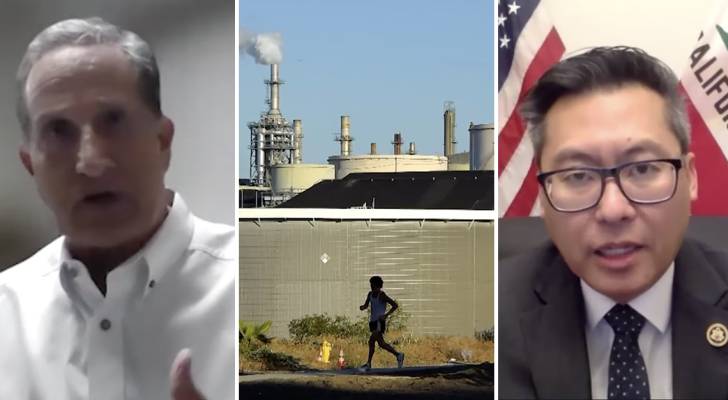
At the center of the warning is the planned shutdown of two major refineries: Valero’s Benicia facility and Phillips 66’s Los Angeles plant. Together, the closures would eliminate nearly 20% of California’s in-state refining capacity, according to Reps. Vince Fong and Stan Ellis, both Republicans from Bakersfield.
Valero, which has operated its 170,000-barrel-per-day Benicia refinery for roughly 25 years, announced it will close the site in 2026 because of high operating costs and strict state environmental regulations (1). The company reportedly spent about $1 billion preparing to exit (2).
Fong says the impact could ripple far beyond the gas pump.
“We have an energy crisis in our state, and it looks like it is only going to intensify,” he said, adding that reduced refining capacity could drive up fuel prices while also affecting California’s military supply chain. What appears to be a consumer issue, he said, could quickly become a national one.
California already has the highest gas prices in the country. As of December 2025, drivers are paying about $4.34 per gallon statewide, according to AAA (3). That is roughly $1.40 more per gallon than the national average of around $2.90. Petroleum expert Mike Ariza, who co-authored a recent report on California’s energy outlook, told ABC10 gas could reach $10 to $12 per gallon in extreme scenarios.
Part of that premium comes down to geography and infrastructure. The West Coast is relatively isolated from other major refining hubs, such as the Gulf Coast, making it harder to replace lost supply when refineries shut down. While the Los Angeles and Benicia facilities account for less than 2% of total U.S. refining capacity, they represent about 17% of California’s capacity.
Valero has pointed to years of regulatory pressure, environmental violations and a recent lawsuit settlement as factors behind its decision to close the Benicia refinery, according to a statement cited by ABC7 (4).
During the company’s most recent earnings call, CEO Lane Riggs described California’s regulatory and enforcement environment as “the most stringent and difficult of anywhere else in North America.”
One example is California’s Low Carbon Fuel Standard, which requires fuel producers to steadily reduce the carbon intensity of gasoline and diesel based on emissions across a fuel’s full life cycle (5). While the policy is designed to cut greenhouse gas emissions and improve air quality, it also adds compliance costs for refiners operating in an already constrained market.
In October 2024, regulators imposed nearly $82 million in fines on Valero for toxic chemical releases and other violations at the site. It was the largest penalty ever issued by the Bay Area Air District, ABC7 reported.
The stakes extend beyond consumer prices as California hosts more than 30 military bases that rely on in-state fuel production, including major Air Force and Army installations. Fong said the refineries provide critical fuel for military operations, serving bases in California as well as in nearby states like Nevada and Arizona.
According to Greenly, the U.S. Department of Defense is the world’s largest institutional consumer of petroleum, using an average of about 93 million barrels of fuel per year between 2015 and 2020.
Ellis noted that California currently imports around one-fifth of its refined petroleum products and warned that shutting down refineries could deepen that dependence. In his view, heavier reliance on international supply chains heightens the risk of disruptions if geopolitical tensions escalate.
“If China or Russia decides to pull the plug on India getting crude for us, guess what? It’s catastrophic,” he told ABC 10. “We’re talking about military preparedness being affected, and we’re talking about gas lines.”
The Newsom administration disputed those claims, saying there is no evidence that California’s energy policies pose a threat to national security or the military’s fuel supply. Officials said they have identified no credible risks to readiness.
A spokesperson pointed to a bipartisan set of energy bills passed at the end of the last legislative session, designed to help stabilize fuel markets as the state shifts toward cleaner energy. The measures include authorizing up to 2,000 new oil drilling permits annually.
For California drivers, higher gas prices are not a distant concern. While refinery closures and policy debates continue, there are still ways households can limit the impact.
Gas prices can vary by more than a dollar per gallon within the same metro area, according to AAA, making it worth shopping around before filling up. Timing matters as well. Prices often dip earlier in the week and rise heading into the weekend.
Over the longer term, persistently high fuel costs may push drivers to rethink transportation choices, from carpooling and public transit to more fuel-efficient vehicles. With no clear ceiling on prices, staying cautious heading into the new year could help prevent fuel costs from quietly stretching household budgets.
We rely only on vetted sources and credible third-party reporting. For details, see our editorial ethics and guidelines.
Valero (1); ABC 10 (2); AAA (3); ABC7 (4); California Air Resources Board (5).
This article provides information only and should not be construed as advice. It is provided without warranty of any kind.