

Age can teach you to trust your gut, but gastroenterologists say that our actual gut health can change as we age—and that matters.
“A healthy gut microbiome, the community of microorganisms in your digestive tract, plays a vital role in digestion, metabolism and immunity,” says Dr. Jonathan D. Weinberger, MD,a gastroenterologist with Hackensack University Medical Center.
As we get older, our digestive system, metabolism and immunity can also change, making us more at risk for conditions like constipation, diabetes and viruses. However, certain habits can help us keep our gut health in check. That’s why gastroenterologists are begging people over 50 to start doing this one thing every morning, and it’s definitely not going straight for the coffee (sorry).
How Gut Health Changes as We Age
You might start noticing changes to your digestive system as you get older. It’s certainly not “just you,” and these shifts can have a ripple effect on your overall well-being.
“Gut health changes substantially as we get older, and unfortunately, not for the better,” explains Dr. Deepa Shah, MD, a gastroenterologist with HonorHealth Gastroenterology – Osborn.
Advertisement
Advertisement
She says that as you age:
-
You may have fewer “good bacteria” in the gut
-
You may have more “bad bacteria” in the gut
-
You are at a higher risk of chronic inflammation
-
You are more likely to have chronic conditions, like diabetes, and take medications that cause digestive issues
Dr. Shah shares that, as a result, you might experience:
-
More gas and bloating
-
Trouble absorbing nutrients like calcium and B12
-
Nutrient deficiencies
-
Increased food sensitivities
-
Poorer sleep
None of these issues makes your gut feel great, so knowing how to protect your digestive health is all the more critical as you rack up trips around the sun.
Related: The After-Dinner Drink That Actually Helps Digestion
The Morning Habit Gastroenterologists Want People Over 50 To Start ASAP
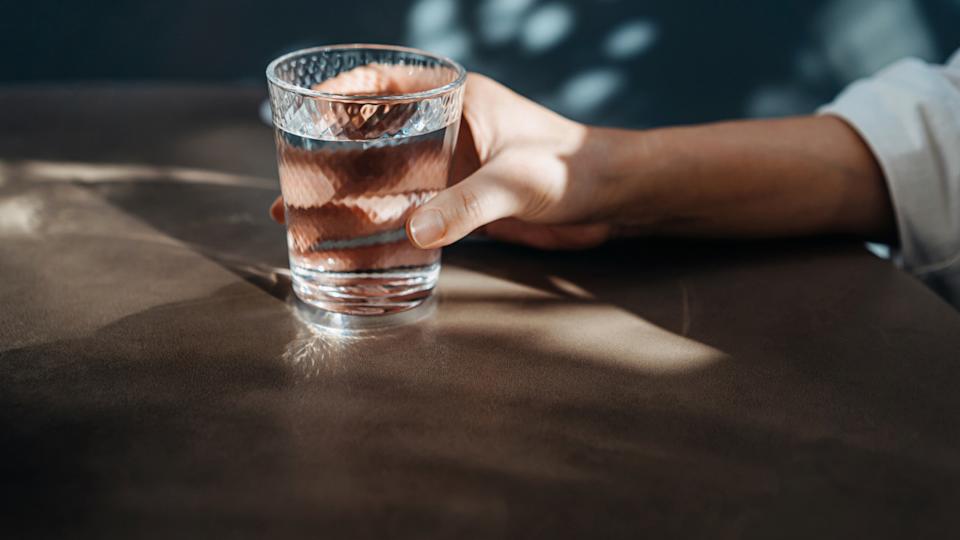
“As soon as they wake up, people should be reaching for their water bottle—not a cup of coffee,” says Dr. Leybelis Padilla, MD, the founder of Unlocking GI.
d3sign/Getty Images
Dr. Weinberger agrees, noting that drinking a glass of water before a morning coffee benefits the gut for many reasons.
“After a night’s sleep, your body may be dehydrated, and coffee, being a diuretic, can further contribute to fluid loss,” he explains. “Rehydrating with water first helps to replenish your body’s fluids, which is essential for proper digestion and can help prevent dehydration-related issues like constipation, headaches and fatigue.”
Advertisement
Advertisement
Dr. Padilla adds that hydration also helps you better absorb nutrients, maintain the inner lining of your gut and poop. “Water is also key for soft, well-formed bowel movements as it not only softens the stool itself but it also aids in the mucous production along the lining of the digestive tract, acting as a lubricant to help stool slide and pass with more ease along the tract.
As a result, she says, you’re less likely to feel gassy or bloated.
Related: The Surprising Morning Drink That Boosts Focus Better Than Coffee
The Best Way To Adopt This Habit
Dr. Shah reports that timing your morning water and coffee drinking is important to maintaining good gut health. “I actually recommend that people wait 30 minutes after they drink the water and then drink their coffee.”
Advertisement
Advertisement
She shares that this timing is especially beneficial for adults with constipation.
“Allowing 30 minutes of time for the water to take effect allows the cells in your body to ‘wake up’ and start stimulating the digestive process,” Dr. Shah shares. “After 30 minutes, if you drink your coffee, you can have added protection to your stomach by creating a buffer to the acid from the coffee.”
As a result, she says that you’re less likely to have stomach issues and reflux later in the day.
Related: The Super Popular Fitness Tool a GI Doc Swears by for Gut Health (Yes, Really)
How Much Coffee Can I Have Per Day for Gut Health?
Dr. Shah advises people to limit coffee consumption to one to three cups daily, ideally without sweeteners, which can also impact gut health. The FDA suggests capping caffeine consumption at 400 mg for most adults.
Advertisement
Advertisement
But it’s also worth noting that coffee isn’t all bad for gut health. “Coffee can be fantastic for your gut in many ways,” she says, reporting that coffee can:
-
Provide antioxidants, lowering inflammation
-
Keep the gut moving, lowering constipation risks
-
Decrease liver cancer odds
That said, it can also worsen digestive issues that can already decline with age, so you’ll want to personalize your cup-a-Joe limit (and sip water before you brew one).
“Individual tolerance to caffeine varies, so it’s important to listen to your body,” Dr. Weinberger adds.
Up Next:
Related: Here’s Exactly How Much Fiber To Eat Each Day To Improve Your Gut Health—and How To Get It
Sources:
-
Dr. Jonathan D. Weinberger, MD, a gastroenterologist with Hackensack University Medical Center
-
Dr. Deepa Shah, MD, a gastroenterologist with HonorHealth Gastroenterology – Osborn
-
Impact of aging on the digestive system related to protein digestion in vivo. Critical Reviews in Food & Science Nutrition.
-
Understanding constipation as a geriatric syndrome. Geriatric Nursing.
-
Dr. Leybelis Padilla, MD, the founder of Unlocking GI
-
Spilling the Beans: How Much Caffeine is Too Much? FDA.
-
Effects of Coffee on Gut Microbiota and Bowel Functions in Health and Diseases: A Literature Review. Nutrients.
-
All coffee types decrease the risk of adverse clinical outcomes in chronic liver disease: a UK Biobank study. BMC Public Health.
This story was originally published by Parade on Dec 13, 2025, where it first appeared in the Health & Wellness section. Add Parade as a Preferred Source by clicking here.