
(Bloomberg) — The flow of crude through the Strait of Hormuz is creeping higher as producers across the Middle East boost exports in the face of Iran’s lingering threat to shipping. The increase is keeping global crude oil prices in check.
Most Read from Bloomberg
About 6 million to 8 million barrels a day of crude are now being shipped through the world’s key oil chokepoint, according to estimates from oil traders involved in and monitoring cargo activity. Flows slipped in July, when an onslaught of attacks on supertankers by Iran led to the breakdown of an interim ceasefire and heightened risks to navigation. They remain at roughly half prewar levels.
Still, estimates can be wide-ranging and volatile. Some trackers and US officials have suggested even higher volumes, though the security situation remains precarious. Two freighters were struck on Monday, according to the UK navy, a reminder that there’s still significant peril when transiting. One factor helping sustain the increase is the highest earnings in the history of the supertanker market, adding for the incentive for shipowners to cross.
Either way, there are signs that producers across the region have been moving more oil in recent days. To enable that, a batch of tankers are doing shuttle runs, hauling barrels to just outside the Persian Gulf. Once the shuttle ships get there, their cargoes are then collected by waiting tankers that remain unwilling to go through the strait themselves. Every major regional supplier bar Iran is now selling its barrels for collection outside Hormuz.
“In the last few days, more oil seems to be coming out of Hormuz,” Georgios Sakellariou, a freight analyst at Signal Maritime, an analytics company. “If it’s sustainable, crude oil prices will stay down, although recently that has still meant something close to $85 a barrel.”
Brent oil futures were trading at about $88 a barrel on Thursday, on course for the biggest weekly drop since late June when the interim ceasefire was still helping to keep shipments moving. The resumption of negotiations between the US and Iran over ending the war has also stymied prices this week. The boss of Europe’s largest oil refiner said this week he is bearish on the outlook for crude prices, in part as barrels quietly escape Hormuz.
A sudden inflow of ships late last week has enabled higher loadings, and it isn’t clear if more ships had entered in recent days to keep that pace going over the coming weeks.
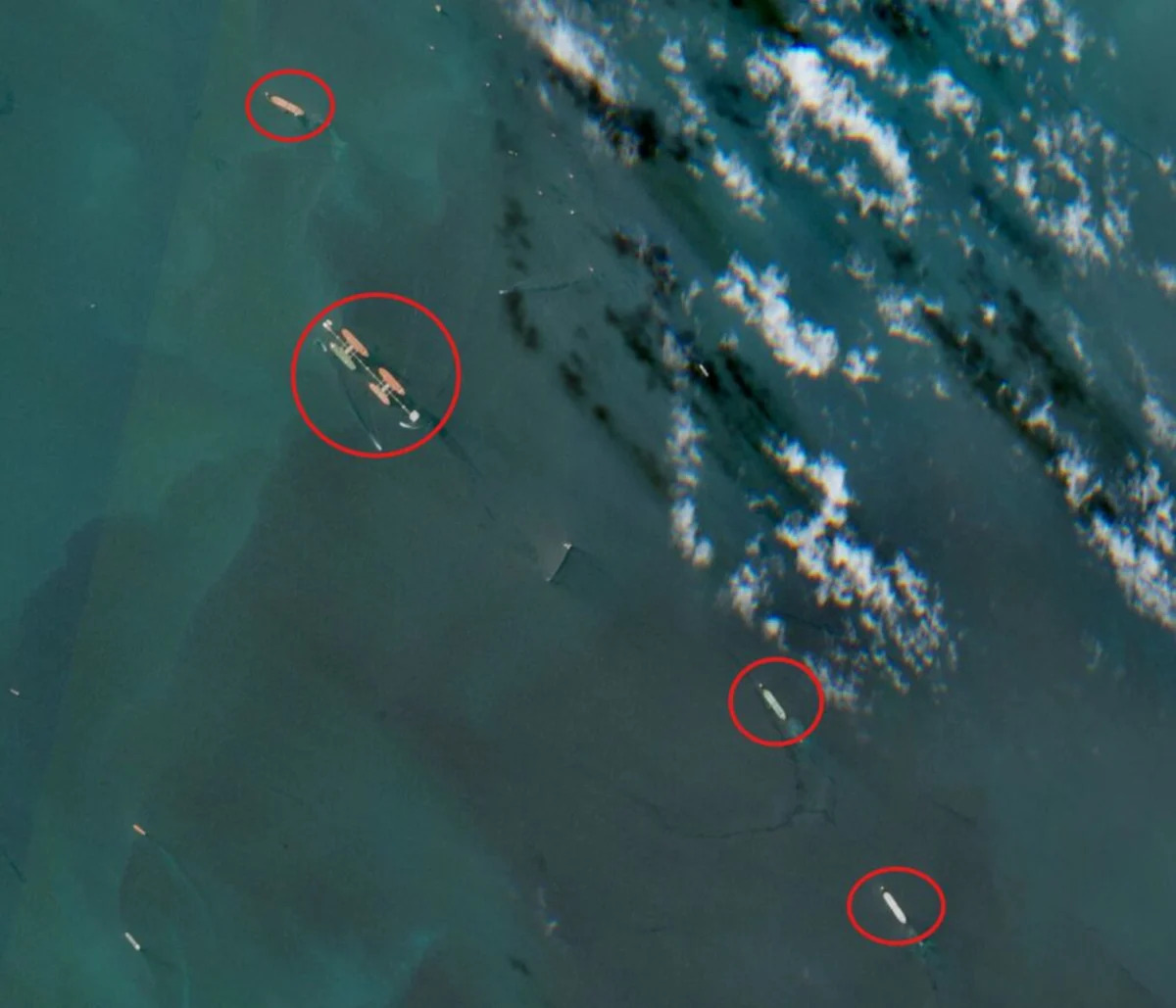
Saudi Arabia had the highest number of tankers in several weeks at its export installations in the region on Tuesday, satellite images gathered by Bloomberg show. A day earlier, loading activity from Iraq’s ports in the region even briefly exceeded above prewar rates. Smaller producers like Qatar and Kuwait are starting moving more too, adding to the momentum.
To be clear, it doesn’t mean Saudi Arabia’s total exports are up. The increase from the Persian Gulf has coincided with a drop from its facilities in the Red Sea. Simultaneously, though, the kingdom is loading more oil onto tankers from Sidi Kerir, a port on Egypt’s Mediterranean coast where it owns storage, complicating the tracking of the kingdom’s oil shipments.
It’s also unclear whether all the regional exports from the Persian Gulf are on their way to customers yet. They still need to be transferred onto waiting vessels usually near the Omani port of Sohar or Fujairah in the United Arab Emirates, a process that can take days.
Tankertrackers.com counts shipments to the global market when they pass through the US blockade line, monitoring the Automatic Identification System signals of ships because of restrictions on timely satellite imagery. On that basis, flows over the past seven days stand at just 3.7 million barrels a day, Samir Madani, the firm’s co-founder says.
Higher Loadings
Increases in loadings observed by satellite have taken place across a range of Gulf producers in recent days. They add to heightened flows from the United Arab Emirates, which was the first major producer in the region to really ramp up its exports.
Loadings from Iraq’s export installations in the Persian Gulf jumped this week, with seven tankers collecting the nation’s cargoes on Monday. The ships in question had a transportation capacity of about 13 million barrels, according to their dimensions. The prewar norm was six tankers loading at eight berths at any given time.
Compounding the pickup is an increase from two of the region’s smaller producers — Qatar and Kuwait. The two countries, which exported a combined 2 million barrels a day of oil before the outbreak of the war, have managed to get shipments back to 70% of pre-conflict levels, according to traders, who asked not to be named as they’re not allowed to speak to media.
Bloomberg has asked all the major Gulf producers about their loading activity over the past week. None responded.
For its part, Iran’s exports remain halted by a blockade that the US reimposed when the ceasefire broke down.
A key challenge now is to boost exports of fuels like diesel and jet fuel. About 1.6 million barrels a day of the region’s refining capacity remains offline, a significant increase from a year earlier, according to data from IIR Energy.
While the crude oil shipping industry has one dominant shipping company helping to organize flows, the South Korean firm Sinokor, that’s not the case for fuels markets, which also requires smaller vessels to collect cargoes.
–With assistance from Prejula Prem, Weilun Soon, Serene Cheong, Anthony Di Paola, Nayla Razzouk and Grant Smith.
Most Read from Bloomberg Businessweek
©2026 Bloomberg L.P.