
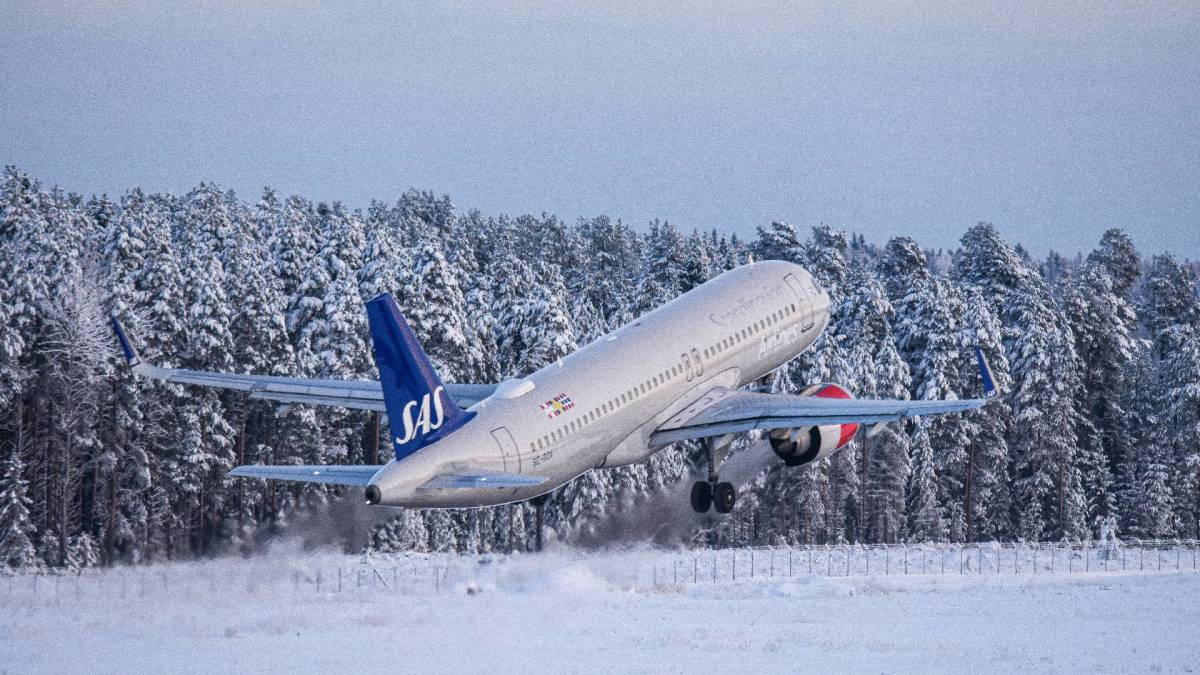
Scandinavian Airlines recently shocked the travel world by announcing it will cancel over 1,000 flights in April 2026 due to surging jet fuel costs. Airline CEO Anko van der Werff explained that with fuel prices doubling in just ten days amid geopolitical tensions and major energy route disruptions, the carrier had to trim capacity to stay financially stable.
For many travelers, that news arrived like a thunderclap. Many of us plan months in advance by booking flights, hotels, tours, and even ferry tickets, only to have global price shifts ripple into our carefully laid plans. Yet SAS is not alone. Across the industry, airlines are adjusting routes, raising prices, and canceling flights as fuel costs continue to balloon. In this environment, the way we think about air travel and how we protect our travel plans is changing. Willie Walsh, head of the International Air Transport Association, said that “There are no winners in this situation.”
Why Fuel Prices Have Become the New Travel Disruption
When most travelers hear “flight cancellations,” they think of weather or mechanical issues. Right now, the culprit is fuel economics. The ongoing conflict involving Iran has disrupted key shipping lanes such as the Strait of Hormuz, through which roughly 20 percent of the world’s oil supply flows. Airlines have been forced to reroute traffic, pay sharply higher fuel costs, and rethink schedules.
Advertisement
That pressure shows up differently across airlines. SAS is trimming flights to balance costs and demand. Other carriers, including Cathay Pacific, Air France-KLM, Thai Airways, and Qantas, have raised ticket prices or applied fuel surcharges to manage expenses.
Fuel cost spikes have real effects. Some economy tickets have seen hundreds of dollars added to their cost, and airlines without strong fuel hedges are warning that fare increases may be necessary. As a traveler, that means higher prices, fewer flights on some routes, and a much greater premium on early and flexible bookings.
Another Airline Ground Effect: Air New Zealand’s Cuts
SAS is far from the only carrier adjusting its schedule this year. Air New Zealand has also announced cancellations, around 1,100 flights through early May 2026, affecting an estimated 44,000 passengers across its network.
Much like SAS, rising aviation fuel costs tied to global energy disruptions are driving the cuts and forcing the airline to make hard choices about route availability. Passengers on domestic routes, especially those involving Dunedin, face the most significant impacts.
Advertisement
Advertisement
Air New Zealand has also raised tickets by roughly $10 to $90 depending on the route. This is another example of how fuel volatility is working its way into the pockets of travelers. The combination of cancellations and pricing shifts from multiple airlines shows that this is part of a broader global disruption in aviation economics.
What to Do If Your Flight Is Canceled
If your itinerary is affected by one of these cuts, here are steps that will help protect your trip and your peace of mind.
-
Contact the Airline Immediately: Most airlines will proactively notify affected passengers, but acting on your own speeds up rebooking or refunds. Check your booking through the airline app or website and call customer service if necessary. Many carriers will offer rebooking at no extra cost or full refunds for canceled flights when fuel costs force schedule changes.
-
Request Flexible Options: If you have travel insurance or refundable fare classes, explore those options. Shifting to a different departure date or carrier might save you stress later. Some travel cards and loyalty programs offer built-in protections for schedule changes.
-
Use Points or Miles Smartly: If you have airline miles or credit card points, this can be a time to use them. Flexible reward bookings often allow you to rebook without paying cash, especially when carriers are adjusting schedules due to industry-wide factors.
-
Plan With Contingency in Mind: If your travel dates are fixed, such as for a wedding or event, build in time buffers and avoid tight connections. Fewer flights and shifting schedules mean even small delays can create bigger disruptions.
Traveler Tips Amid Rising Fuel Costs
From these cancellations, several travel lessons emerge. Because capacity is shrinking and airlines may raise prices, booking earlier and choosing fares that allow free or low-fee changes gives you room to adjust without financial penalty.
Increasingly, airlines like IndiGo and others are introducing fuel surcharges on domestic and international tickets to manage cost pressures. Travelers should review fare breakdowns carefully before purchasing. Some airlines are rerouting traffic around high-cost fuel zones, which might make connecting flights through different hubs more reliable if cancellations persist.
Advertisement
Advertisement
Stay in the loop with fresh travel stories and updates—subscribe to our newsletter.
How to Stay Ahead When Flights Are Canceled
The story of SAS canceling over 1,000 flights is not just a headline. It is part of a global shift in how air travel is priced and operated. With fuel prices at the heart of this change, travelers need to think strategically about booking timelines, flexibility, and contingency planning.
In many ways, this moment reminds me of travel in a very old-fashioned sense. It requires patience, adaptability, and a willingness to revise plans on the fly. While it can feel frustrating, it also invites travelers to look beyond the itinerary and treat disruptions as part of a richer travel story.
Staying calm, informed, and proactive will help you navigate this era of fuel-driven flight changes with confidence.
Advertisement
Advertisement
This story was originally published by TravelHost on Mar 19, 2026, where it first appeared in the News section. Add TravelHost as a Preferred Source by clicking here.