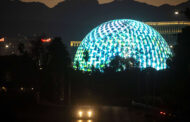

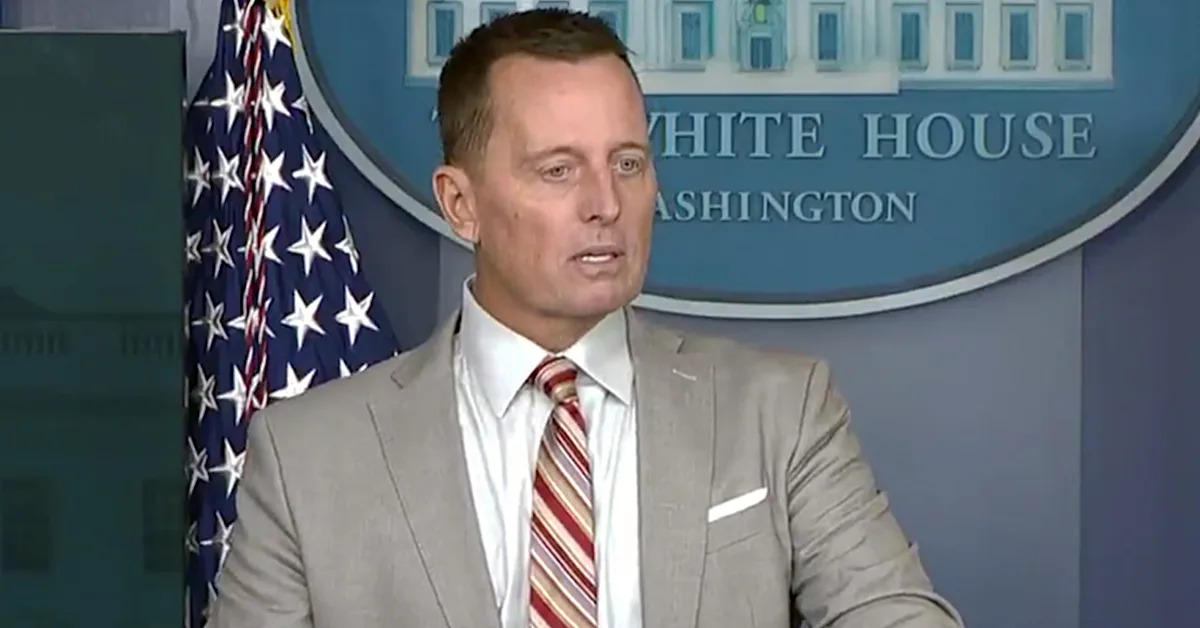
The renaming of the Kennedy Center triggered immediate fallout. Artists canceled performances. Longstanding relationships fractured. Programming began disappearing from the calendar. Ric Grenell’s response has been to insist none of this is his doing, and to threaten those who say otherwise.
That sequence matters.
After the Trump-appointed board voted to add President Donald Trump’s name to the John F. Kennedy Center for the Performing Arts, cancellations followed quickly. A veteran jazz ensemble walked away from New Year’s Eve shows. A Christmas Eve jazz concert that had run for nearly two decades was called off. A New York dance company withdrew anniversary performances at a cost of $40,000. These were not symbolic gestures. They involved real money, professional risk, and decisions artists did not make lightly.
Advertisement
Advertisement
Grenell, the Kennedy Center’s interim president/executive director and a senior Trump loyalist, responded by denying the causal relationship everyone could see. He insisted that adding Trump’s name “depoliticized” the institution. He also insisted that artists who withdrew were “far-left political activists,” acting for political reasons. In Grenell’s telling, the renaming did nothing, and the reaction proved everything.
That position requires believing that politics entered the Kennedy Center only when artists objected to the renaming, not when the renaming happened.
Grenell did more than deny causality. He escalated. After Chuck Redd, the longtime host of the canceled Christmas Eve jazz concert, pulled out, Grenell publicly threatened him with a $1 million lawsuit. The message was unmistakable. Question the takeover and face consequences.
This is the point where denial turns into intimidation.
Advertisement
Advertisement
The artists who canceled did not issue partisan manifestos. The Cookers, a veteran all-star jazz septet featuring musicians with decades-long careers, spoke about jazz’s roots in freedom of expression. Doug Varone, the founder of a nationally respected contemporary dance company scheduled to mark its 40th anniversary at the center, described withdrawing as financially devastating but morally clarifying. These statements point in the same direction. The artists responded to a change in the institution itself, not to some abstract ideological grievance.
Grenell’s response reframes that reality. By labeling dissenting artists extremists, he shifts attention away from the political act that set everything in motion. By threatening legal action, he discourages others from making the same connection publicly. Denial becomes policy, and enforcement follows.
Grenell insists the arts are now “for everyone.” His actions define the terms of inclusion. Artists remain welcome as long as they perform without objection and accept the renaming as settled. Compliance is the price of neutrality. Artists who withdraw their labor are recast as political saboteurs. In this framework, politics is invisible when exercised by those in charge and intolerable when named by those affected.
The cost of this strategy is no longer theoretical. It is visible on the schedule. Performances have vanished. Institutions do not lose artists this way when they are perceived as neutral ground. They lose artists when trust breaks.
Advertisement
Advertisement
Grenell has shamelessly argued that Trump “saved” the Kennedy Center. That claim is now testable. A saved institution does not hemorrhage programming weeks after a rebrand. A healthy cultural center does not require threats to maintain compliance. A revitalized stage does not grow quieter.
The political renaming backfired. The cancellations were the response. Grenell’s denial and intimidation are the attempt to erase that sequence.
The calendar keeps the record anyway.
The post The Trump-Kennedy Center Backfired. Ric Grenell Is Gaslighting Everyone first appeared on Mediaite.