

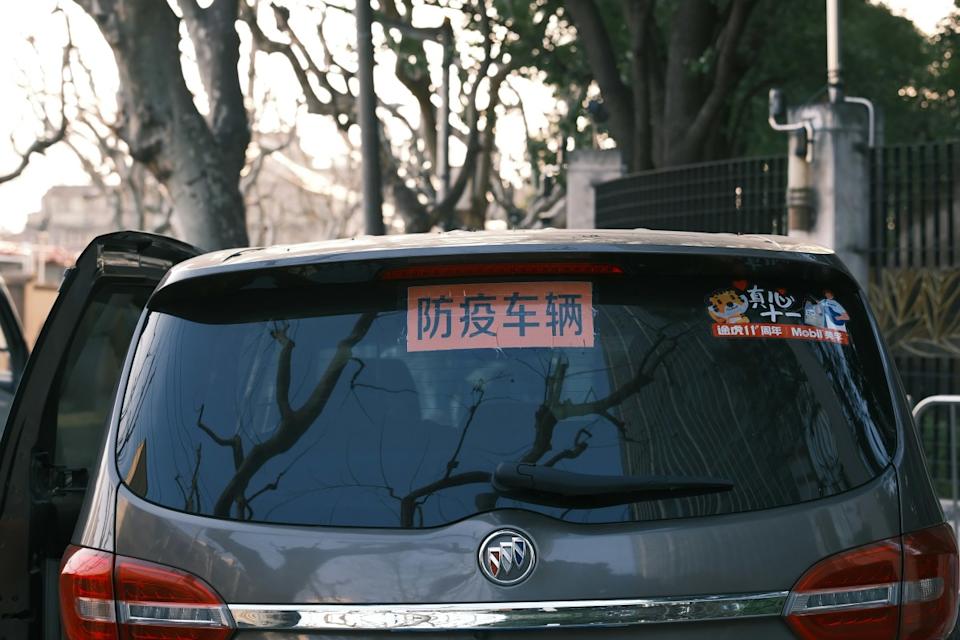
China’s carmakers are drowning in gasoline cars they can’t sell at home. EVs now dominate new sales there, so the old-school internal-combustion models are getting shipped by the boatload to the rest of the world. A recent Reuters investigation found that since 2020, about 76% of China’s auto exports have been fossil-fuel vehicles, with idle lines capable of cranking out tens of millions more every year.
Beijing’s industrial push created a monster: China now has enough factory capacity to build about 43 million vehicles a year but will sell fewer than 29 million domestically, according to analysis cited by the Council on Foreign Relations. Those extra cars aren’t staying parked. Exports hit almost 6 million vehicles in 2024 alone, and they’re heading mostly to Latin America, Eastern Europe, Africa, and Southeast Asia.
unsplash.com/@nkhasebe
” loading=”lazy” width=”960″ height=”640″ decoding=”async” data-nimg=”1″ class=”fig-image-round” src=”https://energynews.today/wp-content/uploads/2025/12/3f7b7f6e7a1978bfd0d9b59f504a5a6c”>
unsplash.com/@nkhasebe
For the US Buyer
Only a small slice (<0.5% of total vehicle sales) of U.S. car sales comes from factories located in China. Brands with a genuine U.S. presence include Polestar (Geely‑owned), Volvo (also Geely), and a limited number of Tesla units built in Shanghai that are imported as special‑order. Regulatory checkpoints – NHTSA crash testing, EPA emissions certification, and the 27.5% import tariff – are the biggest barriers. Future entrants like BYD and MG Motor have announced U.S. rollout plans for 2026‑2027.
How This Changes Your Next Adventure Rig
If you live outside North America and Western Europe and want a cheap adventure rig, this wave of Chinese metal is going to be in your face. On local dealer lots you’ll see sharp-looking crossovers with huge touchscreens, LED lighting, and long spec sheets for the same money that used to buy a no-frills work truck. Many of these export models are newer than the budget-nameplates global brands still ship into “second-tier” markets.
Advertisement
Advertisement
The catch is support. Dealer networks and parts pipelines for upstart Chinese brands are still patchy in a lot of these countries. Resale values are untested. On the flip side, most of these cars are built to survive brutal price wars at home, which means competitive fuel economy, decent safety kit, and aggressive pricing. Think of it as a global car-price war that just opened a front in your backyard.
My Verdict
If you’re in an emerging market and want maximum hardware per dollar, these Chinese exports are worth a hard look—but not blind trust. Research crash scores, warranty terms, and parts availability before you sign anything. For drivers in the US and Western Europe, this is less about your next daily and more about pressure. A world where China is dumping cheap gas cars into every open lane will eventually force every brand you know to offer more car, more tech, and more efficiency for less money.
This story was originally published by Men’s Journal on Dec 5, 2025, where it first appeared in the Gear section. Add Men’s Journal as a Preferred Source by clicking here.